
Are you confused about which exercise will give you better biceps—hammer bicep curls or regular curls? You’re not alone.
Both moves target your arms but in different ways. Choosing the right one can make a big difference in how your muscles grow and how strong you get. You’ll discover the key differences between hammer bicep curls and regular curls.
By the end, you’ll know exactly which curl suits your goals and how to get the most from your workout. Keep reading to take your arm training to the next level.
Table of Contents

<<Get Amazon For This Product>>
Credit: www.bodybuildingmealplan.com
Hammer Curl Basics
Hammer curls target the brachialis muscle, adding thickness to your arms. Regular curls focus more on the biceps brachii for peak shape. Both exercises build arm strength but emphasize different muscles.
What Is A Hammer Curl?
The hammer curl is a type of bicep curl. It uses a neutral grip. This means your palms face each other. The exercise targets the biceps and forearms. It also helps build arm strength and size.
How To Do A Hammer Curl
Start standing with a dumbbell in each hand. Keep your elbows close to your body. Lift the weights by bending your arms. Move only your forearms while keeping your wrists straight. Lower the dumbbells slowly back down. Repeat for the desired number of reps.
Muscles Worked In Hammer Curls
Hammer curls focus on the biceps brachii. They also engage the brachialis and brachioradialis muscles. These muscles help with arm flexion and stability. This makes hammer curls useful for everyday activities.
Standard Curl Essentials
The standard bicep curl is a basic yet effective exercise for arm strength. It targets the biceps brachii muscle directly. This curl helps build muscle size and improve arm shape.
Proper form is key to avoid injury and get the best results. The movement may look simple, but doing it right takes focus. Understanding the essentials makes your workout safer and more productive.
Grip And Hand Position
Use a supinated grip, palms facing up. Hold the dumbbells or barbell firmly. Keep your wrists straight to reduce strain. Avoid letting your hands twist during the curl.
Body Posture
Stand with feet shoulder-width apart. Keep your back straight and chest up. Do not sway or lean backward. Keep your elbows close to your sides throughout the movement.
Movement Technique
Lift the weight slowly by bending your elbows. Focus on squeezing the biceps at the top. Lower the weight under control, not dropping it fast. Avoid using momentum or swinging your body.
Breathing Pattern
Exhale while lifting the weight. Inhale as you lower it back down. Controlled breathing supports muscle function and stability. Do not hold your breath during the exercise.
Muscles Targeted By Hammer Curls
Hammer curls work several muscles in the arm and forearm. They focus on different parts than regular curls. Understanding which muscles get worked helps improve your training plan.
These curls use a neutral grip, which changes the muscle focus. The exercise targets muscles that regular curls do not hit as hard.
Primary Muscles Worked By Hammer Curls
The brachialis muscle is the main target. It lies under the biceps and helps lift the arm. Hammer curls make this muscle stronger and bigger.
The biceps brachii also works, but less than in regular curls. It helps bend the elbow and rotate the forearm.
Forearm Muscles Engaged
Hammer curls activate the brachioradialis muscle in the forearm. This muscle helps with elbow flexion and adds forearm strength. It also improves grip strength.
Additional Muscles Involved
The wrist flexors and extensors get some work too. These muscles help stabilize the wrist during the curl movement.
Overall, hammer curls build arm thickness and improve forearm strength.

<<Get Amazon For This Product>>
Credit: peteandpedro.com
Muscles Worked In Standard Curls
Standard curls target key muscles in the arms. They mainly work the biceps brachii. This muscle is the large muscle on the front of your upper arm. It helps lift and bend the elbow.
Besides the biceps brachii, other muscles also assist during the curl. These smaller muscles support the movement and provide stability.
Primary Muscle: Biceps Brachii
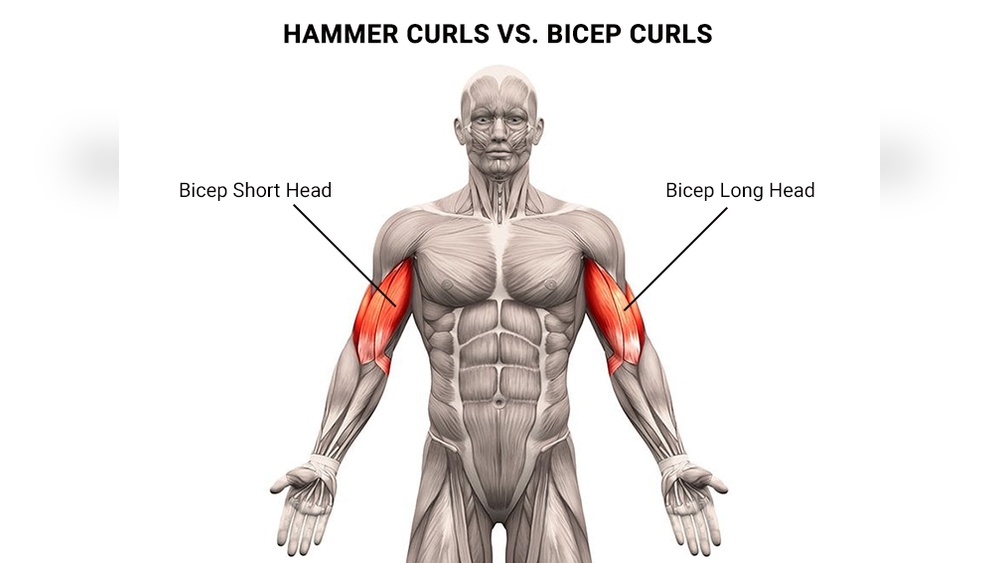
The biceps brachii has two heads: long head and short head. Both heads contract to lift the weight. This muscle gives the arm its shape and strength.
Secondary Muscle: Brachialis
The brachialis lies underneath the biceps. It helps bend the elbow. This muscle adds size and power to the upper arm.
Supporting Muscle: Brachioradialis
The brachioradialis is in the forearm. It assists with elbow flexion. This muscle helps keep the arm steady during curls.
Benefits Of Hammer Curls
Hammer curls offer unique benefits that differ from regular curls. They target muscles in a special way to improve arm strength and shape. This exercise helps build both the biceps and forearms effectively. Many find hammer curls easier on the wrists while still challenging the muscles.
These curls add variety to workouts, which can prevent boredom. They also improve grip strength, useful for many daily tasks. Hammer curls promote balanced muscle growth and help avoid injuries by working smaller stabilizing muscles.
Better Forearm Development
Hammer curls work the brachialis muscle under the biceps. This muscle helps push the biceps up, making arms look bigger. Forearms also get stronger because they hold the weight in a neutral grip. This grip is different from the palm-up grip in regular curls.
Stronger Grip Strength
The neutral grip in hammer curls forces forearm muscles to work hard. Stronger forearms improve grip strength naturally. Better grip helps in sports and lifting heavy objects. Hammer curls train muscles that regular curls do not target well.
Reduced Wrist Strain
Hammer curls keep wrists in a neutral position. This reduces stress on wrist joints during exercise. People with wrist pain find hammer curls more comfortable. Reduced strain helps maintain proper form and avoids injury.
Balanced Arm Muscle Growth
Hammer curls engage multiple arm muscles evenly. This balance prevents muscle imbalances that can cause pain or injury. Regular curls mainly focus on the biceps brachii. Hammer curls work the brachialis and brachioradialis muscles too.
Improved Functional Strength
Hammer curls mimic natural hand positions during daily tasks. This improves the strength used in lifting, pulling, and carrying. Functional strength gained helps in sports and everyday activities. It makes arms more capable and resilient.

<<Get Amazon For This Product>>
Credit: peteandpedro.com
Advantages Of Standard Curls
Standard curls are a common choice for many fitness enthusiasts. They focus on strengthening the biceps with a simple and clear movement. This exercise helps build muscle size and shape effectively. Many people find standard curls easy to learn and perform without special equipment.
They also allow for good control over the movement. This control reduces the risk of injury and improves muscle targeting. Standard curls fit well into most workout routines. They offer a solid foundation for arm training.
Targeted Biceps Activation
Standard curls mainly work the biceps brachii. This muscle is key for arm strength and appearance. The curl motion focuses tension on this muscle. It helps increase muscle size and strength over time.
Simple Form and Technique
The movement is easy to perform correctly. Beginners can quickly learn the proper form. This lowers the chance of injury during workouts. Proper form also improves exercise effectiveness.
Versatility in Training
Standard curls can be done with dumbbells, barbells, or cables. This variety lets you change the workout style. You can adjust weight and reps to match your goals. This makes standard curls flexible for different fitness levels.
Improves Arm Functionality
Standard curls help build functional arm strength. This strength supports daily activities like lifting and carrying. Strong biceps improve overall arm endurance and power.
Hammer Curl Vs Standard Curl Technique
The hammer curl and the standard curl both build arm strength. Each targets the biceps but works muscles differently. Understanding these differences helps choose the right exercise for your goals.
Both exercises use dumbbells but vary in grip and movement. This changes the muscle focus and the way your arms develop.
Hammer Curl Technique
Hold dumbbells with a neutral grip. Palms face your body throughout the movement. Keep elbows close to your sides. Lift the weights by bending your elbows. Move slowly and control the dumbbells. Lower the weights with the same controlled motion.
Standard Curl Technique
Hold dumbbells with a supinated grip. Palms face upward at the start. Keep elbows steady near your torso. Curl the weights by bending your elbows. Move the dumbbells toward your shoulders. Lower the weights slowly to start position.
Key Differences In Movement
Hammer curls keep palms facing each other. This targets the brachialis muscle more. Standard curls focus on the biceps brachii. The grip changes muscle activation and arm shape. Hammer curls also involve the forearms more.
Common Technique Mistakes
Swinging the weights reduces effectiveness. Don’t lift with your back or shoulders. Keep elbows fixed to isolate the biceps. Avoid using momentum to lift the dumbbells. Control each phase of the curl for best results.
Combining Both Curls For Growth
Using both hammer bicep curls and regular curls can boost your arm strength and size. Each curl type works different parts of the bicep muscle. Mixing them creates a balanced workout.
This approach helps prevent muscle imbalances and promotes better muscle shape. It also keeps your workouts fresh and less boring. Your muscles respond better to varied exercises.
Benefits Of Mixing Hammer And Regular Curls
Hammer curls focus more on the brachialis, a muscle beneath the biceps. Regular curls target the biceps brachii directly. Together, they build fuller and stronger arms.
Combining both types helps improve grip strength too. Stronger grip supports other lifts and daily activities.
How To Structure Your Workout
Start with regular curls to warm up the biceps. Follow with hammer curls to engage the brachialis. Alternate between the two exercises across sets or days.
Use moderate weights and focus on form. Avoid rushing the movements. Controlled reps give better muscle activation.
Tips For Maximum Growth
Increase weight gradually for steady progress. Keep rest time between sets short to maintain intensity. Track your workouts to see improvements over time.
Include both curls at least twice a week. Consistency is key to muscle growth and strength.
Common Mistakes To Avoid
Both Hammer Bicep Curls and regular Curls are great for building arm strength. Yet, many make similar mistakes that reduce their workout benefits. Avoiding these errors keeps your form strong and muscles working well.
Improper Wrist Position
Many curl with bent or twisted wrists. This puts strain on joints and reduces muscle work. Keep your wrists straight and firm throughout the movement.
Using Momentum
Swinging the body or jerking the weights wastes effort. It shifts focus from your biceps to other muscles. Move slowly and control each lift and lower phase.
Partial Range Of Motion
Only lifting halfway limits muscle growth. Fully extend your arms down and curl all the way up. This activates the entire bicep muscle for better results.
Neglecting Elbow Position
Allowing elbows to move forward or outward reduces effectiveness. Keep elbows close to your sides. This isolates the biceps and prevents other muscles from taking over.
Lifting Too Heavy
Using weights too heavy causes poor form and risk of injury. Choose a weight that challenges you but allows clean movements. Quality beats quantity every time.
FAQ: Hammer Bicep Curl Vs Curl
What Is The Main Difference Between Hammer Bicep Curl And Regular Curl?
Hammer bicep curls use a neutral grip, holding dumbbells like hammers. Regular curls use a supinated grip, palms facing up. This changes which muscles get worked more.
Which Curl Better Targets The Brachialis Muscle?
Hammer curls target the brachialis more than regular curls. This muscle lies under the biceps and helps make your arms look bigger.
Can Hammer Curls Improve Grip Strength More Than Regular Curls?
Yes, hammer curls improve grip strength better. The neutral grip forces your forearm muscles to work harder.
Are Hammer Curls Safer For Wrists Than Regular Curls?
Hammer curls are often easier on wrists. The neutral grip reduces wrist strain compared to the palms-up position in regular curls.
Which Curl Style Is Best For Overall Arm Growth?
Both curls help arm growth but target different muscles. Combining hammer and regular curls gives balanced development for bigger arms.
Conclusion
Both hammer bicep curls and regular curls help build arm strength. Hammer curls focus more on the brachialis muscle. Regular curls target the biceps brachii directly. Choose the exercise that fits your goal best. Mixing both can give balanced arm development.
Keep your form correct to avoid injury. Remember, consistency matters more than the type of curl. Try both and see which feels better for you. Strong arms come with effort and patience.