
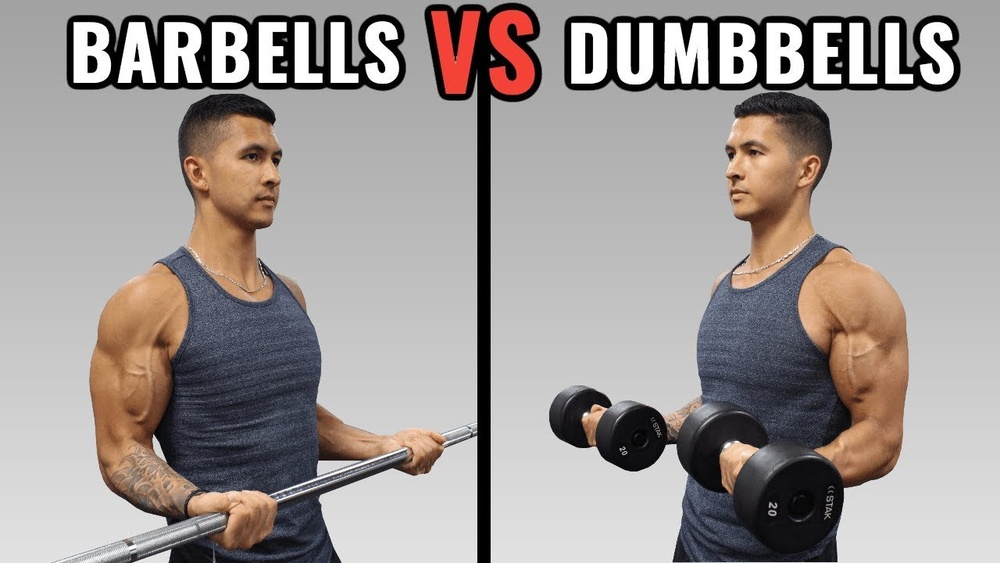
Are you trying to decide between barbells and dumbbells for your workouts but feel stuck? Choosing the right equipment can change how quickly you see results, how safe you feel, and how much you enjoy your training.
Whether you want to build muscle, get stronger, or just feel better, knowing the key differences between barbells and dumbbells will help you make smarter choices. Keep reading, and you’ll discover which one fits your goals perfectly—and why making the right pick could transform your fitness journey.
Table of Contents
Barbell Basics
Barbells have been a staple in gyms for decades. They are simple yet effective tools for strength training. Understanding barbell basics helps beginners get started safely and confidently.
A barbell is a long metal bar with weights attached at each end. This design allows you to lift heavy loads with both hands. Barbells are great for building muscle and improving overall strength.
Types Of Barbells
Standard barbells are about 7 feet long and weigh 45 pounds. There are also shorter barbells for beginners or specific exercises. Olympic barbells are the most common in gyms. They have rotating sleeves to reduce wrist strain.
Common Barbell Exercises
Barbells work well for exercises like squats, deadlifts, and bench presses. These moves target multiple muscles at once. Using a barbell helps increase strength faster than isolated exercises.
Barbell Safety Tips
Always warm up before lifting heavy weights. Use a spotter for heavy lifts like bench press. Keep your back straight to avoid injury. Start with lighter weights and increase gradually.
<<Get Amazon For This Product>>
Credit: builtwithscience.com
Dumbbell Essentials
Dumbbells are a popular choice for many fitness routines. They offer great flexibility and variety in exercises. Understanding the essentials helps you get the best results.
Dumbbells allow for a wide range of motion. This helps improve muscle balance and coordination. Many people find dumbbells easier to use at home.
Types Of Dumbbells
There are fixed and adjustable dumbbells. Fixed dumbbells have a set weight. Adjustable dumbbells let you change the weight easily. Choose the type that fits your space and budget.
Benefits Of Using Dumbbells
Dumbbells improve muscle symmetry and strength. They engage stabilizer muscles more than machines. You can target specific muscles with different angles. Dumbbells also reduce the risk of injury.
Proper Dumbbell Technique
Start with a weight you can control. Keep your movements slow and steady. Avoid swinging the weights to prevent injury. Focus on form rather than heavy lifting. Use a full range of motion for best results.
Common Dumbbell Exercises
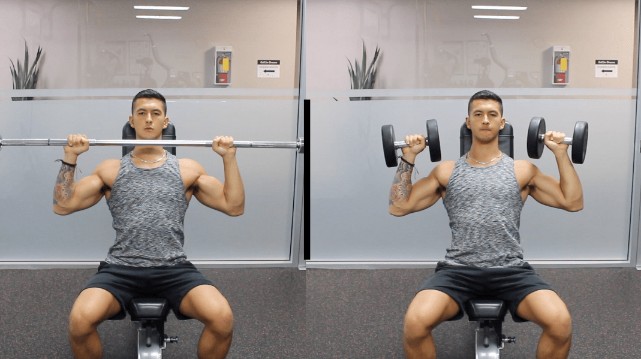
Popular exercises include bicep curls, shoulder presses, and lunges. These moves work multiple muscles at once. Mix exercises to target different muscle groups. This keeps workouts balanced and effective.
Muscle Activation Differences
Muscle activation differs between barbells and dumbbells. This affects how muscles grow and get stronger. Each tool targets muscles in unique ways. Understanding these differences helps improve your workout plans.
Barbell Muscle Activation
Barbells allow lifting heavier weights. This causes more muscle fibers to activate at once. The body stays more stable during barbell exercises. This stability helps focus on major muscle groups. Larger muscles like chest, back, and legs work harder.
Dumbbell Muscle Activation
Dumbbells require more balance and control. This activates smaller stabilizer muscles around joints. Each arm or leg works independently. This helps fix muscle imbalances and improve coordination. Dumbbells also allow a greater range of motion.
Impact On Muscle Growth
Barbells build strength quickly by loading heavy weight. Dumbbells improve muscle symmetry and joint stability. Combining both tools can lead to better overall muscle development. Each tool complements the other for balanced progress.
Strength Gains Comparison
Strength gains depend on many factors, including the type of equipment used. Barbells and dumbbells both help build muscle and increase strength. Each has unique benefits that affect how your muscles grow.
Understanding these differences can help you choose the right tool for your training goals. Let’s explore how barbells and dumbbells compare in building strength.
Muscle Activation And Balance
Dumbbells require more balance and control. This activates smaller stabilizer muscles. These muscles help support joints and improve overall strength.
Barbells allow you to lift heavier weights more easily. This can lead to faster strength gains in major muscle groups.
Range Of Motion
Dumbbells offer a greater range of motion. This helps muscles stretch and contract fully. Full movement can improve muscle growth and strength.
Barbells limit movement to a fixed path. This can reduce joint stress but may limit muscle activation.
Progressive Overload Potential
Barbells make it easier to increase weight gradually. This supports steady strength gains over time.
Dumbbells can be harder to load with very heavy weights. This may slow down maximum strength progress.
Injury Risk And Safety
Dumbbells allow more natural movement patterns. This can reduce injury risk during lifting.
Barbells place the body in a fixed position. Poor form can lead to injuries if not careful.
Injury Risks And Safety
Choosing between barbells and dumbbells affects injury risks and safety during workouts. Both tools have unique challenges and benefits. Knowing these can help protect your body and improve exercise results.
Barbell Injury Risks
Barbells allow lifting heavy weights with both hands. This can put strong pressure on your back, shoulders, and wrists. Poor form or too much weight may cause muscle strains or joint pain. Dropping a barbell accidentally can lead to serious injuries. Spotters or safety racks are important for heavy barbell lifts.
Dumbbell Injury Risks
Dumbbells offer more freedom of movement than barbells. This helps balance muscles but increases the chance of losing control. Dropping dumbbells on feet or fingers can cause cuts or bruises. Uneven weight use might lead to muscle imbalances or joint stress. Using lighter weights at first reduces injury risks.
Safety Tips For Barbell And Dumbbell Use
Start with a warm-up to prepare muscles and joints. Focus on correct form and controlled movements. Increase weight gradually to avoid strain. Use safety gear like gloves or wrist wraps if needed. Train with a partner or spotter for heavy lifts. Rest between workouts allows recovery and prevents overuse injuries.

<<Get Amazon For This Product>>
Credit: www.prosourcefit.com
Versatility In Workouts
Barbells allow lifting heavier weights for strength, while dumbbells offer more freedom of movement. Both tools suit different workout styles and goals. Mixing them can keep exercises fresh and balanced.
Barbell Versatility In Workouts
Barbells allow lifting heavy weights with both hands. This makes them great for exercises like squats and deadlifts. These moves build strength in many muscles at once.
Barbells also help keep balance during lifts. You can add or remove weight plates easily. This lets you adjust the workout to your strength level.
Barbells work well for pushing and pulling exercises. They target large muscle groups efficiently. This helps improve overall muscle power.
Dumbbell Versatility In Workouts
Dumbbells let you move each arm or leg independently. This improves muscle balance and coordination. They also allow a wider range of motion.
You can do many different exercises with dumbbells. From curls to lunges, dumbbells fit many workout styles. They work well for both strength and endurance training.
Dumbbells are easy to carry and store. This makes them perfect for home workouts and small spaces. They also help you correct muscle imbalances.
Choosing Based On Workout Goals
Barbells suit those who want to lift heavier weights. They build overall strength quickly. Dumbbells suit those who want more control and variety.
Both tools offer unique benefits. Using a mix can keep workouts fresh and effective. Your choice depends on your fitness goals and space.
Space And Equipment Needs
Space and equipment needs play a big role in choosing between barbells and dumbbells. Each requires different room sizes and gear. This affects your workout setup at home or in the gym.
Barbell Space Requirements
Barbells need more space. You need room for the bar to move freely. Also, space is needed for weight plates and a bench or rack. This setup takes up a larger area.
Barbells usually require a flat, stable surface. This prevents slipping and injury. The area must be clear to allow safe lifting and spotting.
Dumbbell Space Needs
Dumbbells are compact and fit in smaller spaces. You can store them on racks or shelves. This makes them easier to keep in a corner or small room.
You can use dumbbells in tight areas without much trouble. They allow for quick changes between exercises. This saves time and space during workouts.
Equipment Variety And Storage
Barbell sets often come with various plates and collars. Storing these requires extra racks or stands. The equipment is heavier and bulkier to move.
Dumbbell sets come in fixed or adjustable weights. Adjustable dumbbells save space by combining many weights in one. They are easier to store and carry.
Cost And Accessibility
Cost and accessibility are important factors when choosing between barbells and dumbbells. Both options have their benefits and challenges in price and availability. Understanding these differences helps you make a smart choice for your fitness setup.
Barbell Cost
Barbells usually cost more than dumbbells. A good barbell alone can be pricey. You also need weight plates, which add to the cost. Buying a full set can be a big investment. This may not suit everyone’s budget.
Dumbbell Cost
Dumbbells vary widely in price. You can find cheaper fixed-weight dumbbells. Adjustable dumbbells cost more but save space. They replace many pairs of dumbbells with one set. This option can be cost-effective in the long run.
Barbell Accessibility
Barbells take more space to use and store. Not all gyms have many barbells available. Some people find it hard to fit barbells at home. Setting up a barbell station requires more room.
Dumbbell Accessibility
Dumbbells are easier to find in most gyms. They need less space for storage and use. Home users can store dumbbells in small areas. Their compact size makes them more accessible for many people.
Choosing What Fits You
Choosing the right equipment for your workout is key. It affects your comfort, progress, and safety. Barbell and dumbbell each have unique benefits. Understanding what suits your needs helps you train better.
Think about your workout space. Dumbbells need less room. Barbells require a rack and more space to move. Small spaces may favor dumbbells.
Barbell For Heavy Lifting
Barbells allow lifting heavier weights. They help build strength fast. Exercises like squats and deadlifts work well with barbells. Use barbells if you want to increase power.
Dumbbell For Flexibility
Dumbbells offer more movement freedom. They help fix muscle imbalances by training each side separately. Dumbbells suit people who want varied workouts and better joint movement.
Your Fitness Goals Matter
Choose based on your goals. For muscle size, barbells are efficient. For muscle tone and balance, dumbbells work well. Match equipment to what you want to achieve.
Experience And Safety
Beginners may find dumbbells safer. They allow easier control and less risk of injury. Experienced lifters can use barbells for advanced training. Always prioritize safe lifting habits.

<<Get Amazon For This Product>>
Credit: www.youtube.com
FAQ: Barbell Vs Dumbbell
What Are The Main Differences Between Barbells And Dumbbells?
Barbells allow lifting heavier weights with both hands. Dumbbells are lighter and used one hand at a time. Each tool targets muscles differently during workouts.
Which Is Better For Building Muscle, Barbell Or Dumbbell?
Both help build muscle effectively. Barbells suit heavy lifting and strength gains. Dumbbells improve muscle balance and control.
Can Dumbbells Improve Muscle Balance More Than Barbells?
Yes, dumbbells require each side to work alone. This helps fix strength imbalances between muscles. Barbells often let the stronger side compensate.
Are Barbells Or Dumbbells Safer For Beginners?
Dumbbells are generally safer due to lighter weights and easier control. Barbells need proper form to avoid injury. Beginners should start light and learn technique.
How Do Barbells And Dumbbells Affect Workout Variety?
Dumbbells offer more movement options and angles. Barbells focus on basic, heavy lifts. Using both can create a balanced workout plan.
Conclusion
Both barbells and dumbbells have unique benefits for strength training. Barbells allow lifting heavier weights with better stability. Dumbbells help improve balance and work muscles evenly. Choosing depends on your fitness goals and workout style. Mixing both tools can bring variety and better results.
Keep your routine safe and consistent to see progress. Enjoy the process and stay motivated to improve every day.