
Are you looking to build stronger, more defined arms but aren’t sure which exercise will give you the best results? When it comes to hammer curls, you might have heard about both cross body hammer curls and regular hammer curls—but which one is right for you?
Choosing the right curl can make a big difference in how your muscles grow and how your arms look. You’ll discover the key differences between these two exercises, how each one targets your muscles, and which might fit best into your workout routine.
Keep reading—you’re about to unlock the secret to maximizing your arm gains.
Table of Contents
Cross Body Hammer Curls Basics
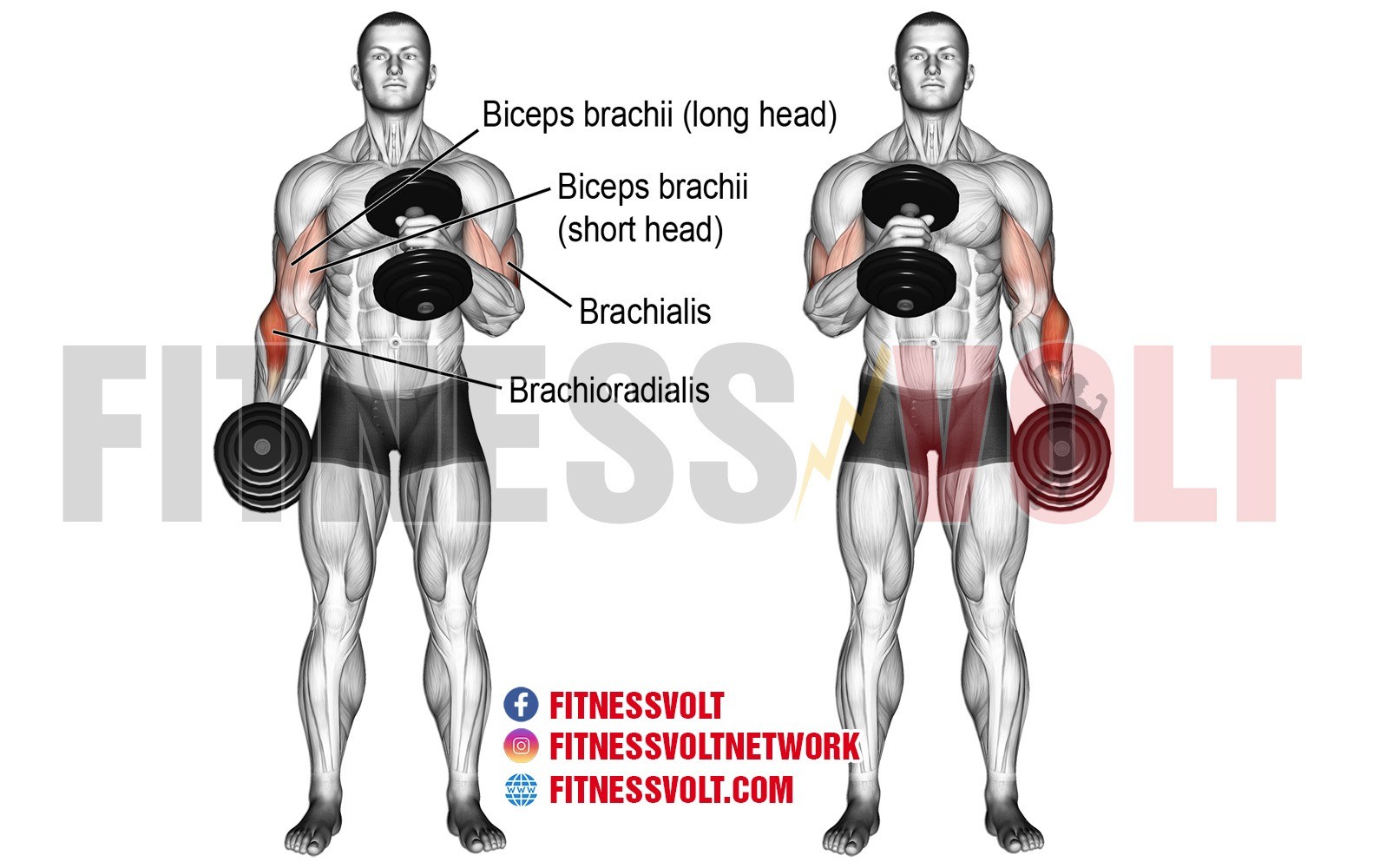
Cross Body Hammer Curls target your arms differently than regular curls. They focus more on the brachialis muscle. This muscle lies under the biceps and helps make your arms look bigger.
This exercise uses a neutral grip, with palms facing each other. It reduces strain on your wrists and elbows. Cross Body Hammer Curls also improve grip strength.
The movement crosses the body, which activates different muscle fibers. This helps build muscle evenly and prevents imbalances.
How To Perform Cross Body Hammer Curls
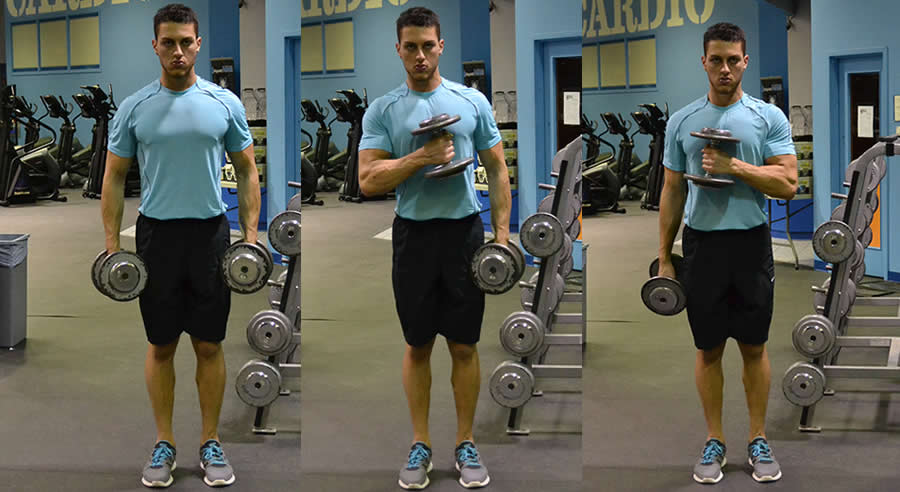
Hold a dumbbell in each hand with palms facing your body. Keep your elbows close to your sides. Lift the dumbbell across your body toward the opposite shoulder. Lower the weight slowly and repeat on the other arm.
Muscles Worked
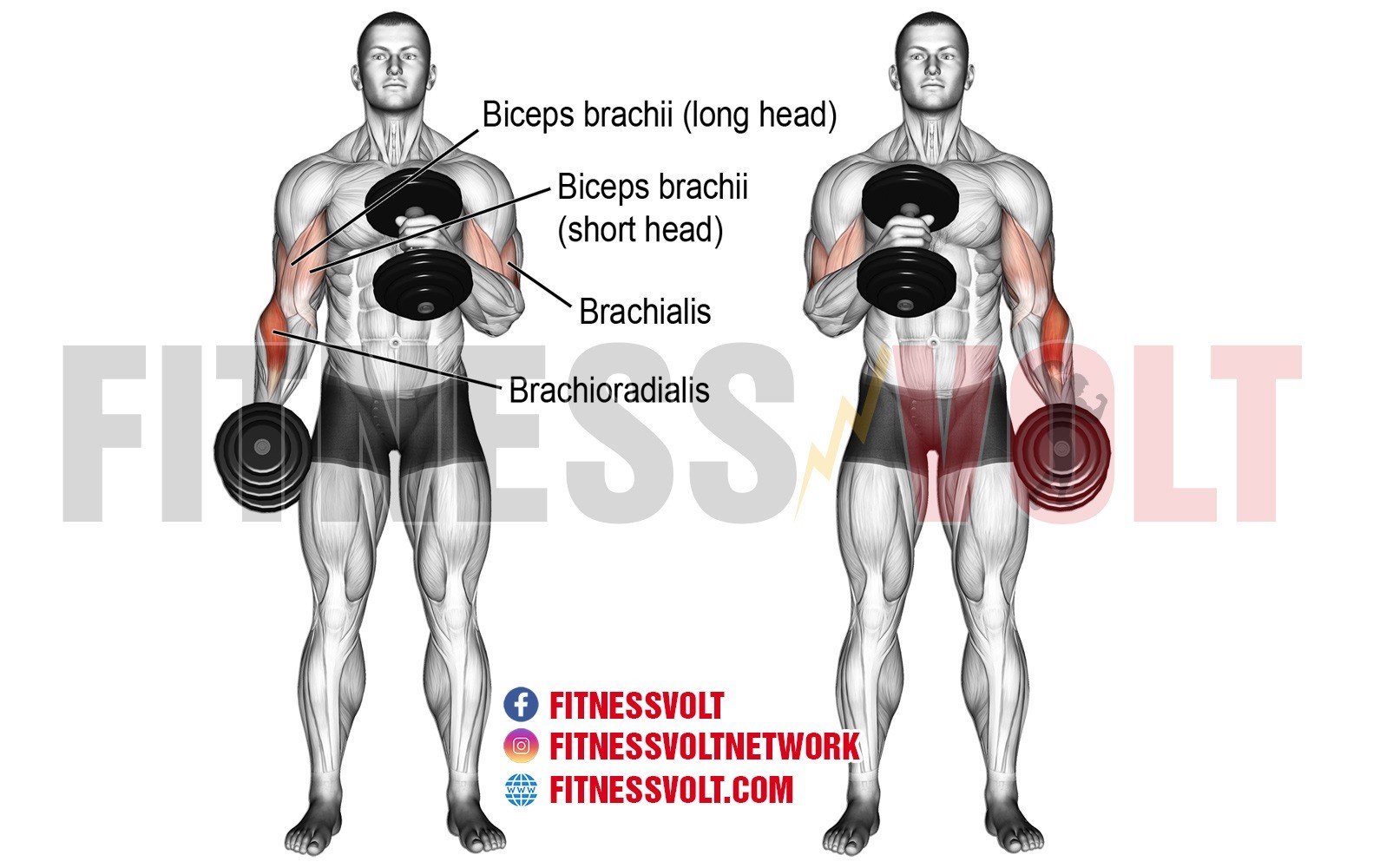
This exercise targets the brachialis and brachioradialis muscles. It also works the biceps brachii to some extent. The grip keeps the wrist stable and reduces injury risk.
They build arm strength and size evenly. The neutral grip is easier on joints. These curls enhance grip strength, useful for many sports and daily tasks.
<<Get Amazon For This Product>>
Credit: site2max.ru
Regular Hammer Curls Explained
Regular hammer curls target the biceps and forearms using a neutral grip. Cross body hammer curls move the weight across the body, emphasizing different muscles. Both exercises build arm strength but vary in muscle focus and movement path.
What Are Regular Hammer Curls?
Regular hammer curls are a type of bicep exercise. They use a neutral grip, meaning your palms face each other. This grip targets the brachialis muscle and the biceps brachii. These muscles work together to make your arms stronger and bigger.
The movement involves lifting dumbbells by bending your elbows. Keep your wrists straight and close to your body. This simple motion helps build arm strength and size effectively.
How To Perform Regular Hammer Curls
Start by holding a dumbbell in each hand. Your arms should hang down by your sides. Keep your palms facing each other throughout the movement.
Slowly bend your elbows and lift the dumbbells toward your shoulders. Avoid swinging your body or using momentum. Lower the dumbbells back down with control. Repeat for the desired number of reps.
Benefits Of Regular Hammer Curls
Regular hammer curls improve arm strength and muscle size. They target different parts of the arm than regular bicep curls. This helps create balanced muscle development.
They also improve grip strength because of the neutral hand position. This benefit helps in other exercises and daily activities. Hammer curls put less strain on the wrists compared to other curls.
Muscles Targeted By Both Exercises
Both exercises focus on the biceps brachii and brachialis muscles. They also engage the forearm muscles for grip and control. Each move slightly shifts the muscle emphasis for varied strength building.
Primary Muscles Worked
Both Cross Body Hammer Curls and Regular Curls focus mainly on the biceps brachii. This muscle is the large one on the front of your upper arm. It helps you bend your elbow and rotate your forearm. Both exercises help to build size and strength here.
Forearm Muscle Activation
Cross Body Hammer Curls target the brachialis and brachioradialis more than Regular Curls. These muscles lie beneath and beside the biceps. They add thickness to the arm and improve grip strength. Regular Curls do activate these muscles but not as much.
Differences In Muscle Focus
Regular Curls mainly work the biceps brachii with a supinated grip. This means palms face up. Cross Body Hammer Curls use a neutral grip, with palms facing each other. This grip shifts some effort to the forearms and outer biceps. It gives a different shape to the arm.
Form And Technique Differences
Cross body hammer curls and regular curls both target the arms but use different movements. These differences affect how your muscles work and the results you get. Understanding the form and technique helps you choose the right exercise for your goals.
Each curl style requires specific body positioning and motion. Learning these details ensures better performance and fewer injuries.
Hand Position And Grip
Cross body hammer curls use a neutral grip. Your palms face each other throughout the movement. This grip reduces stress on the wrists and focuses on the brachialis muscle.
Regular curls use a supinated grip. Your palms face upward as you lift the weight. This grip targets the biceps brachii more directly.
Arm Movement Path
In cross body hammer curls, the dumbbell moves across your body. The elbow stays close to your side but moves forward slightly. This motion hits the outer arm muscles.
Regular curls lift the dumbbell straight up. The elbow remains fixed at your side. This path isolates the biceps with a simple up-and-down motion.
Elbow And Shoulder Position
Cross body hammer curls require slight elbow movement forward. The shoulder remains stable but allows controlled range. This helps engage supporting muscles.
Regular curls keep the elbow fixed near the torso. The shoulder does not move during the lift. This keeps tension on the biceps only.
Range Of Motion
Cross body hammer curls usually have a shorter range of motion. The dumbbell moves diagonally from the hip to the opposite shoulder. This range targets specific muscle fibers.
Regular curls have a full range of motion. The dumbbell moves from the thigh to shoulder level. This range builds overall arm strength.
Benefits Of Cross Body Hammer Curls
Cross body hammer curls offer unique benefits compared to regular curls. They target muscles differently and add variety to workouts. These curls focus on the brachialis muscle, which lies under the biceps. This helps create fuller-looking arms. The movement also engages the forearms more than regular curls.
Performing cross body hammer curls improves arm strength and muscle balance. The exercise mimics natural arm movement, reducing strain on joints. It enhances grip strength, which is useful in daily tasks and sports. The variation helps prevent workout plateaus and keeps training interesting.
Better Muscle Activation
Cross body hammer curls activate the brachialis muscle effectively. This muscle pushes the biceps up, making arms look bigger. The movement also works the brachioradialis in the forearm. This leads to stronger and more defined arms.
Improved Grip Strength
The neutral grip in cross body hammer curls increases forearm engagement. Stronger forearms improve grip strength naturally. This helps with lifting heavier weights and other exercises. It also benefits daily activities requiring hand strength.
Reduced Wrist Strain
The neutral grip position reduces wrist stress during curls. This makes the exercise easier for people with wrist pain. It allows safer lifting and lowers the risk of injury. A comfortable wrist position encourages consistent training.
Enhanced Muscle Balance
Cross body hammer curls involve crossing the arm across the body. This helps balance muscle development on both sides. It corrects muscle imbalances and improves overall arm symmetry. Balanced muscles reduce injury risk and improve appearance.
Variety In Workout Routine
Adding cross body hammer curls introduces variety to arm training. Variety prevents boredom and keeps motivation high. It challenges muscles in new ways for better growth. Mixing exercises leads to stronger and more resilient arms.
Advantages Of Regular Hammer Curls
Regular hammer curls offer key benefits for building arm strength and muscle. This exercise targets the biceps and forearms effectively. It uses a neutral grip that feels natural and easy to hold. Many find regular hammer curls simpler to perform than cross body variations.
These curls also help improve grip strength. The neutral grip reduces wrist strain during lifting. This makes regular hammer curls a safe choice for many lifters. The movement is straightforward, making it perfect for beginners and experts alike.
Better Focus On Biceps And Brachialis
Regular hammer curls mainly work the biceps brachii and brachialis muscles. These muscles give the arm its shape and strength. The neutral grip puts more tension on the brachialis. This helps the arm look thicker and fuller over time.
Improved Wrist Comfort
The neutral grip keeps wrists in a natural position. This reduces pressure and discomfort. People with wrist pain often find this curl easier. It lowers the risk of injury during workouts.
Simple Form And Technique
The movement is easy to learn and follow. It requires less coordination than cross body curls. This simplicity helps maintain good form. Good form leads to better muscle activation and results.
Versatile For Different Fitness Levels
Regular hammer curls suit beginners and advanced lifters. They work well with light or heavy weights. This makes it easy to adjust for strength gains. The exercise can fit many workout routines.
Common Mistakes To Avoid
Common mistakes can reduce the benefits of both Cross Body Hammer Curls and Regular Curls. Avoiding these errors helps build muscle safely and effectively. Focus on proper form and controlled movements for better results.
Using Too Much Weight
Lifting heavy weights often leads to poor form. It causes swinging and jerking motions. This reduces the workout’s effectiveness and may cause injuries. Choose a weight that lets you complete each rep smoothly.
Neglecting Full Range Of Motion
Stopping halfway limits muscle growth. Both exercises require full arm movement. Lower your arms completely and curl all the way up. This ensures better muscle activation and strength gains.
Incorrect Wrist Position
Cross Body Hammer Curls need a neutral wrist position. Regular Curls use a supinated grip. Bending the wrist can strain tendons and reduce power. Keep wrists straight and firm during each curl.
Using Momentum To Lift
Swinging the body helps lift heavier weights but reduces muscle work. Avoid rocking or leaning back. Keep your torso still and focus on arm muscles. Controlled movements build strength better.
Ignoring Breathing Technique
Holding breath lowers oxygen flow and increases fatigue. Exhale while lifting the weight. Inhale while lowering it. Proper breathing supports endurance and muscle performance.
<<Get Amazon For This Product>>
Credit: the-optimal-you.com
Integrating Both Into Your Routine
Cross body hammer curls and regular hammer curls work different parts of your arms. Using both helps build balanced strength. You get stronger muscles and better arm shape.
Mixing these exercises avoids workout boredom. Your muscles face new challenges and grow better. This also lowers the risk of injury by not overusing one movement.
Start With Your Goals
Think about what you want to achieve. Want bigger biceps? Focus more on regular hammer curls. Want stronger forearms? Add more cross body hammer curls. Balance both for overall arm strength.
Plan Your Workout Schedule
Do 2 to 3 sets of each exercise per session. Alternate days or do both in the same workout. Keep rest days to let muscles recover. Consistency is key for good results.
Use Proper Form
Keep your movements slow and controlled. Avoid swinging the weights. Good form protects your joints and muscles. It also helps you get the most from each curl.
Adjust Weight And Reps
Start with lighter weights to learn the motion. Gradually increase weight as you get stronger. Aim for 8 to 12 reps per set. This range helps build muscle and strength.
Choosing The Right Curl For Your Goals
Choosing the right curl exercise depends on your fitness goals. Each curl type works your muscles differently. This affects muscle growth, strength, and endurance. Knowing these differences helps you pick the best curl for your needs.
Both Cross Body Hammer Curls and Regular Curls target the biceps but in distinct ways. Your choice should match what you want to achieve in your workout.
Understanding Muscle Focus
Cross Body Hammer Curls engage the brachialis muscle more. This muscle lies under the biceps and adds arm thickness. Regular Curls mainly target the biceps brachii, the front muscle of your upper arm. Choose Cross Body Hammer Curls for arm size and Regular Curls for biceps peak.
Impact On Strength And Endurance
Cross Body Hammer Curls improve grip strength. They use a neutral hand position, which feels natural and reduces wrist strain. Regular Curls focus on pure biceps strength and isolation. For stronger forearms and grip, try Cross Body Hammer Curls. For isolated biceps strength, Regular Curls work best.
Exercise Variety And Injury Prevention
Adding variety prevents workout boredom and overuse injuries. Cross Body Hammer Curls add a new movement pattern. They help balance muscle development. Regular Curls are classic and effective but can cause strain if overdone. Mixing both curls creates balanced arm strength and reduces injury risk.

<<Get Amazon For This Product>>
Credit: cloudlor.com
FAQ: Cross Body Hammer Curls Vs Regular
What Muscles Do Cross Body Hammer Curls Target?
Cross body hammer curls mainly work the brachialis muscle. They also engage the biceps and forearms. This helps create arm thickness and strength.
How Do Regular Hammer Curls Differ From Cross Body Curls?
Regular hammer curls lift weights straight up beside the body. Cross body curls move weights across the body toward the opposite shoulder. This changes muscle focus slightly.
Which Curl Is Better For Overall Arm Development?
Both curls help build arm muscles but in different ways. Cross body curls target the brachialis more. Regular hammer curls emphasize the biceps brachii.
Can Cross Body Hammer Curls Reduce Elbow Pain?
Cross body curls reduce stress on elbow joints by using a neutral grip. This can help lower elbow pain during workouts. Proper form is important.
How Often Should I Do These Curls For Best Results?
Perform curls 2 to 3 times a week for muscle growth. Allow rest days between sessions to avoid overtraining. Consistency matters most.
Conclusion
Cross body hammer curls and regular curls work your arms differently. Cross body curls focus more on the brachialis muscle. Regular curls target the biceps brachii directly. Both exercises help build arm strength and size. You can add both to your workout for balance.
Choose the one that feels better and suits your goals. Try them slowly to avoid injury. Keep your form correct and stay consistent. Strong arms come from steady effort and good technique. Give your muscles time to grow and rest.