
Choosing the right exercise bike can make a big difference in your workout and how much you enjoy it. You might be wondering whether a recumbent bike or an upright exercise bike suits you better.
Both have their perks, but understanding how they affect your body and fitness goals is key. You’ll discover the real differences between these two types of bikes, helping you pick the one that fits your needs perfectly. Keep reading to find out which bike will keep you motivated and moving toward your best self.
Table of Contents
Design And Comfort
Design and comfort play a big role in choosing between a recumbent bike and an upright exercise bike. These features affect how long you can exercise without pain or tiredness. Each bike type has a unique design that suits different comfort needs. Understanding these differences helps find the best fit for your workout style.
Seating Position
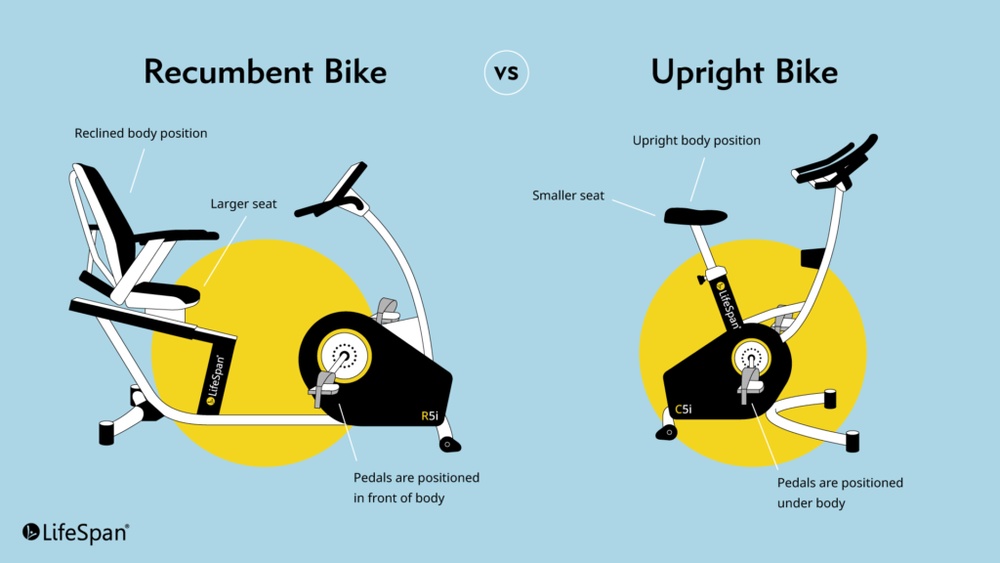
Recumbent bikes have a reclined seat with a backrest. This design supports your lower back and reduces pressure on your hips. You sit in a more relaxed position with legs extended forward.
Upright bikes have a traditional bike seat. You sit straight or slightly leaned forward. Your legs move up and down beneath your body. This position is similar to riding a regular bike.
The recumbent seat feels more like sitting in a chair. Upright seats are smaller and less cushioned. This difference can affect how long you feel comfortable during exercise.
Ergonomics And Support
Recumbent bikes focus on ergonomic support. The wide seat and backrest reduce strain on your spine. This helps prevent discomfort in the lower back and hips. The pedals are positioned in front, allowing smooth leg movement.
Upright bikes offer less back support. The narrow seat and lack of backrest can cause pressure points. This design demands more core strength and balance. Pedals are below the body, promoting a more active posture.
People with back pain or joint issues may prefer the recumbent bike. Those wanting a more intense workout often choose the upright bike. Each design offers a different balance of comfort and exercise intensity.
Workout Intensity
Workout intensity plays a key role in choosing between a recumbent bike and an upright exercise bike. It affects how hard your body works and the results you get. Both bikes offer different levels of challenge based on how you use them.
Understanding the intensity differences helps you pick the right bike for your fitness goals. Let’s explore how muscle engagement and calorie burn vary between these two types.
Muscle Engagement
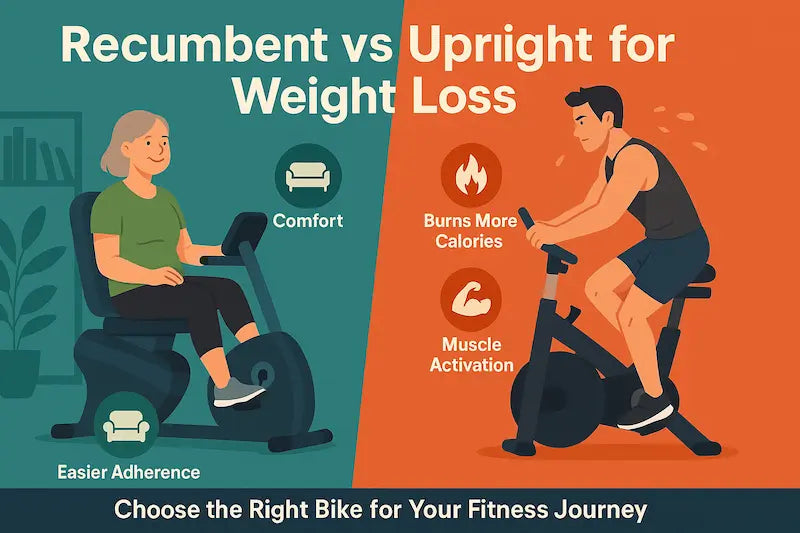
The upright bike uses more muscles in your legs and core. It asks your body to balance and sit straight. This activates your abdominal and back muscles. It also works your glutes and thighs harder.
The recumbent bike supports your back and reduces strain. It mainly targets the legs, especially the quadriceps and hamstrings. It offers less demand on your core and upper body. This makes it easier for people with joint pain or lower back issues.
Overall, the upright bike engages more muscle groups than the recumbent bike.
Calorie Burn
Calorie burn depends on workout intensity and muscle use. The upright bike often burns more calories in the same time. This happens because it requires greater effort from more muscles.
The recumbent bike burns fewer calories but still offers a solid workout. It is better suited for longer sessions at a moderate pace. This helps with endurance and steady fat loss.
Choosing the bike that fits your fitness level affects how many calories you burn.
Impact On Joints
Choosing between a recumbent bike and an upright exercise bike often depends on joint comfort. Exercise impacts joints differently on each bike type. Understanding this difference helps protect your knees and back during workouts.
Stress On Knees And Back
Recumbent bikes place less stress on knees. The seated position supports your lower back. Your legs push forward, reducing knee strain. Upright bikes require you to sit straight. This position puts more pressure on knees and lower back. Pedaling upright can cause discomfort for sensitive joints.
Suitability For Injuries
Recumbent bikes suit people with knee or back injuries. The reclined seat helps reduce pain. It offers a gentle workout without harsh joint impact. Upright bikes work better for those with no joint problems. They provide a more intense exercise but can worsen injuries. Choosing the right bike aids in safe recovery and daily exercise.
Credit: www.diamondbackfitness.com
<<Get Amazon For This Product>>
Space And Portability
Space and portability matter a lot for home exercise bikes. Not everyone has a big room for fitness gear. Choosing the right bike means knowing how much space it takes. Also, moving the bike around should be easy. This helps keep your workout area tidy and flexible.
Size Comparison
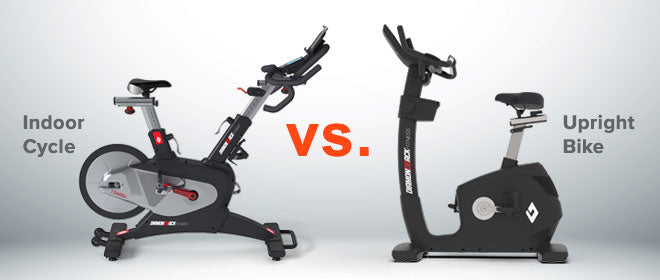
Recumbent bikes are usually bigger. They have a wide seat and backrest. This makes them longer and wider than upright bikes. Upright bikes are compact. They stand tall and take less floor space. Small rooms benefit from upright bikes. Large spaces fit recumbent bikes well.
Ease Of Movement
Upright bikes are lighter and easier to move. Many have small wheels for rolling. This helps when shifting the bike to another room. Recumbent bikes are heavier. Their bulky frames make moving harder. Some models have wheels but still need more effort to move. Consider how often you need to move your bike.
User Experience
User experience plays a big role when choosing between a recumbent bike and an upright exercise bike. Comfort, ease of use, and how quiet the bike is all affect your workout. These factors help you stick to your exercise routine and enjoy the process. Below, we explore two key parts of user experience: noise levels and adjustability features.
Noise Levels
Noise can make or break your workout space. Recumbent bikes often run quieter because of their design. The seated position reduces movement, causing less noise. Upright bikes may be louder due to their more intense pedaling action. Some models use magnetic resistance, which helps lower sound. Quieter bikes let you focus better and avoid disturbing others.
Adjustability Features
Adjustability affects comfort and workout quality. Recumbent bikes usually have easy seat adjustments for back support. This suits people with lower back pain. Upright bikes offer more handlebar and seat height options. They let you change your riding posture more often. Both types allow resistance changes to match fitness levels. Good adjustability helps you exercise longer and with less strain.
Cost And Maintenance
Cost and maintenance play a big role when choosing between a recumbent bike and an upright exercise bike. These factors affect your budget and how much time you spend caring for the bike. Knowing the price range and upkeep needs helps you pick the right bike for your home and lifestyle.
Price Range
Recumbent bikes usually cost more than upright bikes. The seat design and extra features add to the price. Basic recumbent models start around $400 and can go above $1,200. Upright bikes can start as low as $200 and reach about $1,000 for higher-end models. The price depends on brand, features, and build quality.
Durability And Upkeep
Both bike types need regular maintenance for smooth use. Recumbent bikes have larger seats and more parts, which may need extra care. Upright bikes have simpler designs, so they can be easier to clean and fix. Checking screws, pedals, and the chain or belt often helps keep the bike lasting longer. Lubrication and tightening parts prevent damage and noise. Choosing a bike with sturdy materials reduces repair needs.
Target Users
Choosing the right exercise bike depends on who will use it. Different bikes suit different needs and fitness levels. Understanding target users helps pick the best option. Some bikes fit beginners better, while others suit advanced riders. Some focus on support and comfort. Others boost intensity and performance.
Each bike type offers unique benefits for specific users. Let’s explore which bike works best for different groups.
Beginners Vs Advanced
Beginners often prefer recumbent bikes. They provide a comfortable seat and back support. This reduces strain and helps build endurance gradually. Recumbent bikes allow easy entry and exit. They lower the risk of injury for new users.
Advanced users might choose upright bikes. These bikes mimic traditional cycling positions. They engage more muscles and increase workout intensity. Upright bikes improve balance and core strength. They offer more challenging resistance levels for serious training.
Rehabilitation Needs
Recumbent bikes serve well for rehabilitation. Their design supports joints and lowers pressure on knees and hips. These bikes help people recover from injury or surgery. They allow gentle, controlled movements to rebuild strength.
Upright bikes may not suit all rehabilitation needs. They require more balance and joint effort. Some physical therapy programs prefer upright bikes for advanced rehab stages. This helps improve coordination and muscle control after recovery.

Credit: lifespanfitness.com
<<Get Amazon For This Product>>
Health Benefits
Exercise bikes offer many health benefits. Both recumbent and upright bikes help improve fitness. They support heart health and build muscle strength. Choosing between them depends on your fitness goals and comfort.
Cardiovascular Improvements
Both bike types increase heart rate and blood flow. Regular cycling strengthens the heart and lungs. This helps reduce risks of heart disease. You can control the intensity to match your ability. Lower body exercise improves circulation and endurance. Sitting position may affect breathing ease and comfort.
Strength And Endurance
Upright bikes engage more muscles, including core and back. This builds overall body strength and balance. Recumbent bikes focus on leg muscles with less strain. They suit people with joint or back issues. Both types improve leg endurance over time. Consistent use boosts stamina for daily activities.
Choosing The Right Bike
Choosing the right exercise bike is important for your fitness journey. The right bike helps you stay motivated and reach your goals faster. Both recumbent and upright bikes have their strengths. Understanding your needs makes the choice easier.
Think about what you want to achieve and how much space you have. Also, consider your budget. These factors guide you to the best bike for your home and health.
Personal Fitness Goals
Are you aiming to improve cardio or build leg strength? Upright bikes mimic outdoor cycling and offer a more intense workout. Recumbent bikes provide gentle support, ideal for lower back comfort. Choose a bike that fits your fitness level and goals. Consistency matters more than intensity at the start.
Space And Budget Considerations
Measure the space where you plan to keep the bike. Upright bikes take less room and fit small spaces well. Recumbent bikes are bigger and need more floor space. Budget affects your options too. Upright models often cost less, but quality varies. Decide what fits your budget without compromising safety or comfort.
Credit: www.vanswefitness.com
<<Get Amazon For This Product>>
FAQ: Recumbent Bike Vs Upright Exercise Bike
What Are The Main Differences Between Recumbent And Upright Bikes?
Recumbent bikes have a reclined seat and back support. Upright bikes have a straight posture, similar to regular bikes. This affects comfort and muscle use.
Which Bike Is Better For Lower Back Pain?
Recumbent bikes are gentler on the lower back due to their seat design. Upright bikes may strain the back if used incorrectly.
Can Both Bikes Provide A Good Cardio Workout?
Yes, both bikes improve heart health and burn calories. The intensity depends on workout settings and effort.
Which Bike Is More Space-efficient For Home Use?
Upright bikes usually take less space because of their smaller frame. Recumbent bikes are bulkier but offer more comfort.
Are Recumbent Bikes Suitable For Beginners?
Recumbent bikes are beginner-friendly due to their ease and comfort. Upright bikes may require better balance and posture control.
Conclusion
Choosing between a recumbent bike and an upright exercise bike depends on your needs. Both offer good workouts for your legs and heart. Recumbent bikes provide extra back support and comfort. Upright bikes help improve posture and engage more muscles.
Think about your space, comfort, and fitness goals. Try both types if possible before buying. The right bike makes exercise easier and more fun. Keep moving and stay healthy with your chosen bike.