

Are you looking to build stronger, more defined arms but unsure which exercise will give you the best results? Reverse curls and hammer curls are two popular moves that target your biceps and forearms—but they work in different ways.
Choosing the right one can make a big difference in how your muscles grow and how you perform daily tasks. You’ll discover the key differences between reverse curls and hammer curls, how each affects your muscles, and which might be best for your fitness goals.
Keep reading to unlock the secret to stronger, more balanced arms!
Table of Contents

<<Get Amazon For This Product>>
Credit: www.soletreadmills.com
Muscle Focus
Understanding which muscles each curl targets helps you choose the right exercise. Reverse curls and hammer curls work different parts of the arms. Knowing the muscle focus improves your workout results. Both exercises build strength but emphasize different areas.
Let’s explore the specific muscles that each curl targets. This knowledge guides your training plan effectively.
Target Areas Of Reverse Curls
Reverse curls mainly target the brachioradialis muscle. This muscle sits on the forearm, near the elbow. They also engage the brachialis, a muscle under the biceps. The grip position in reverse curls puts stress on the forearms. It helps improve wrist strength and forearm size. The biceps brachii still works but less than in traditional curls. Reverse curls are great for building balanced arm strength.
Muscles Worked In Hammer Curls
Hammer curls focus on the brachialis muscle more than reverse curls. This muscle lies beneath the biceps and adds arm thickness. Hammer curls also activate the brachioradialis muscle strongly. The neutral grip used in hammer curls protects the wrist. The biceps brachii get good activation too, especially the long head. This exercise helps develop arm size and grip strength. Hammer curls support better functional strength for daily tasks.
Grip Differences
The grip plays a major role in how each curl targets muscles. Reverse curls and hammer curls use different hand positions. These differences change the muscle focus and the workout feel. Understanding grip styles helps choose the right exercise for your goals.
Reverse Curl Grip Style
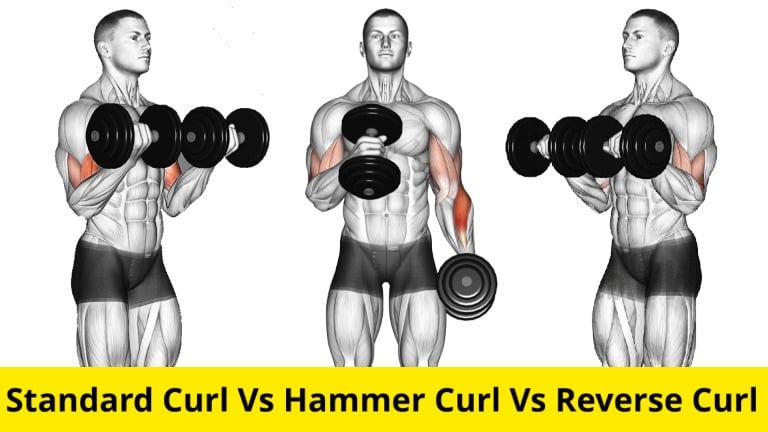
The reverse curl uses a pronated grip. Palms face down toward the floor. Hands grip the barbell or dumbbells with knuckles up. This grip puts tension on the forearm extensors. It also works the brachialis muscle under the biceps. The grip feels firm and strong. It challenges wrist and grip strength more.
Hammer Curl Grip Style
The hammer curl uses a neutral grip. Palms face each other during the lift. This thumb-up grip feels natural and easy on wrists. It targets the brachialis and brachioradialis muscles. These muscles help with arm thickness and forearm size. The grip allows smooth motion and better control. It is friendly for beginners and joint health.
Benefits Of Reverse Curls
Reverse curls target muscles differently than regular curls. They focus on the forearms and the outer part of the biceps. This makes them great for building strength and improving grip. Many fitness lovers add reverse curls to their routine for these benefits.
Improves Forearm Strength
Reverse curls work the brachioradialis muscle in your forearms. Strong forearms help with many daily tasks. They also support other weightlifting exercises. This exercise builds forearm size and power quickly.
Enhances Grip Power
Holding the bar with an overhand grip trains your grip muscles hard. Better grip strength helps in sports and lifting heavier weights. It also reduces the chance of dropping objects during workouts.
Balances Muscle Development
Reverse curls train muscles often ignored in regular curls. This helps prevent muscle imbalances. Balanced muscles reduce the risk of injury. They also improve overall arm appearance and function.
Supports Wrist Health
The reverse grip in this exercise strengthens wrist stabilizers. Strong wrists help avoid strains and sprains. This is good for people who type or work with their hands a lot.
Benefits Of Hammer Curls
Hammer curls target the muscles in your arms differently than other curl types. They focus on the brachialis muscle, which lies underneath the biceps. This helps give your arms a thicker, fuller look.
Hammer curls also improve your grip strength. This is useful for many daily tasks and other workouts. The neutral hand position used in hammer curls puts less strain on your wrists.
Builds Stronger Forearms
Hammer curls work the forearm muscles more than regular curls. Strong forearms help with lifting, pulling, and gripping. This makes many exercises easier and safer to perform.
Enhances Biceps Shape
The brachialis muscle lifts the biceps up. This makes your biceps appear larger and more defined. Hammer curls add variety to your arm workout for better muscle balance.
Reduces Wrist Pain
The neutral grip in hammer curls keeps your wrists in a natural position. This lowers the chance of wrist pain or injury. It is a good option for people with sensitive wrists.
Improves Functional Strength
Hammer curls mimic movements used in daily life. This builds strength that transfers to real-world tasks. Better functional strength helps you perform everyday activities with ease.
Supports Elbow Health
Hammer curls put less stress on the elbow joint. This reduces the risk of joint pain or injury. It is a safer choice for those with elbow discomfort.
Form And Technique
Good form and technique are key for both reverse curls and hammer curls. Proper execution helps target muscles effectively. It also reduces injury risk. Let’s explore the right way to perform each exercise.
Proper Reverse Curl Execution
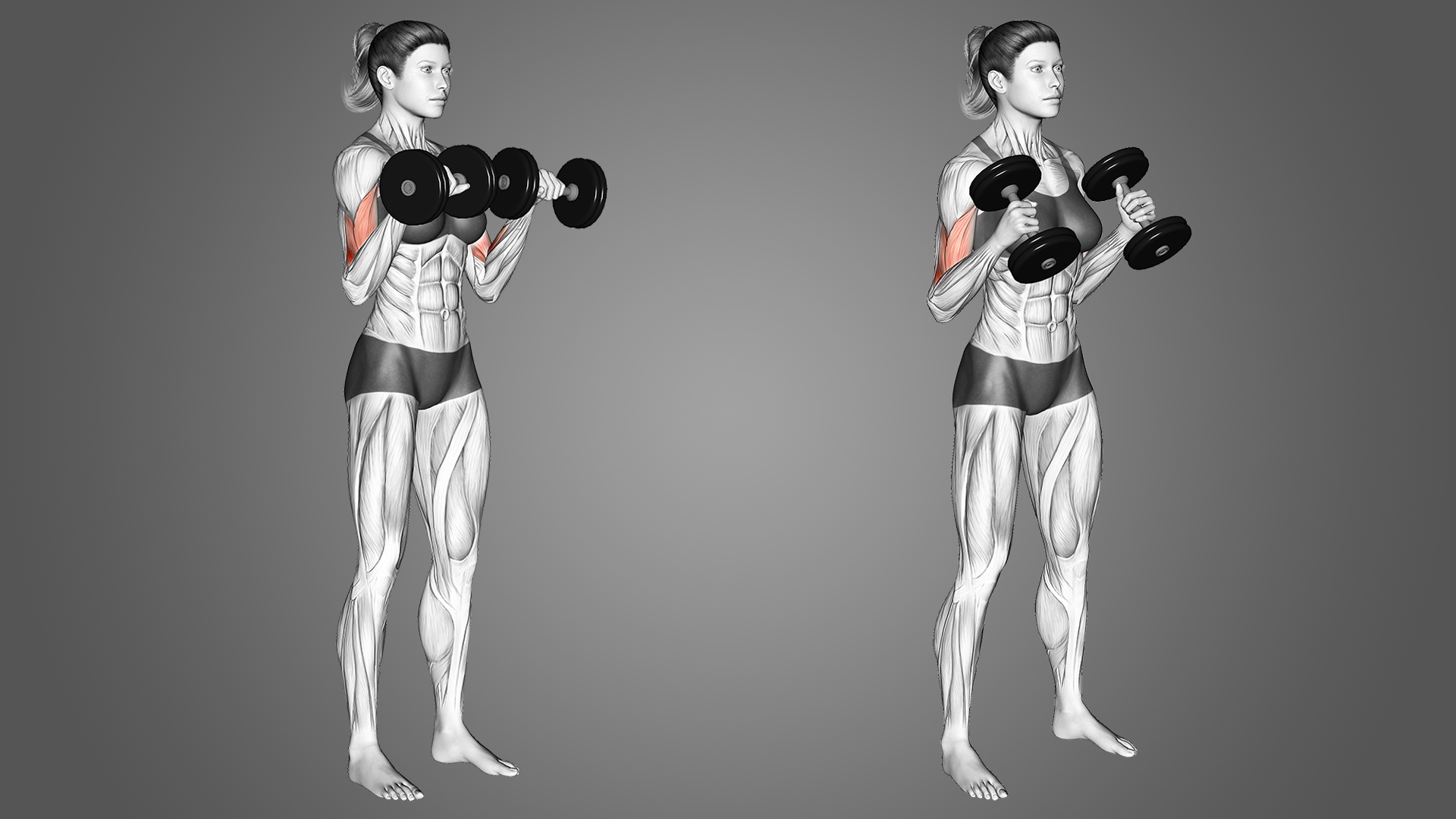
Start by holding a barbell or dumbbells with an overhand grip. Keep your hands shoulder-width apart. Stand straight with your elbows close to your body. Slowly curl the weight upward, lifting only your forearms. Pause at the top, then lower the weight back down. Avoid swinging your body or using momentum. Keep your wrists straight to protect them. Focus on squeezing your forearm muscles during the lift.
Proper Hammer Curl Execution
Hold dumbbells with a neutral grip, palms facing your body. Keep your elbows tight to your sides. Curl the weights upward without moving your upper arms. Stop when the dumbbells reach shoulder height. Slowly lower the weights back down. Avoid swinging or leaning backward. Maintain a straight wrist position throughout. Engage your biceps and forearms evenly during the movement.
<<Get Amazon For This Product>>
Credit: www.inspireusafoundation.org
Common Mistakes
Common mistakes reduce the benefits of reverse and hammer curls. They slow progress and may cause injury. Awareness of these errors helps maintain good form and steady gains.
Errors In Reverse Curls
Many people use too much weight in reverse curls. This causes swinging and body movement. It takes tension away from the forearms. Another error is bending the wrists too much. This puts stress on the joints and lowers effectiveness. Some lifters do not keep elbows close to their sides. This shifts focus away from the target muscles. Avoid jerky movements and focus on slow, controlled lifts.
Errors In Hammer Curls
One common mistake is lifting the elbows during hammer curls. This reduces arm isolation and involves the shoulders. Using momentum to lift the weight is another problem. It lessens the work on the forearms and biceps. People often extend the wrists too far. This can lead to strain and discomfort. Not lowering the weights fully is another issue. It shortens the muscle’s range of motion and limits growth.
Equipment Options
Choosing the right equipment helps target muscles effectively. Both reverse curls and hammer curls need specific tools. The gear affects your grip and muscle focus. Understanding these tools ensures better workout results.
Tools For Reverse Curls
Reverse curls usually require a barbell or dumbbells. A straight barbell works well for a firm grip. An EZ curl bar reduces wrist strain during the exercise. Dumbbells allow more wrist movement and control. Resistance bands can also add tension for reverse curls. Each tool changes the angle and muscle use slightly.
Tools For Hammer Curls
Hammer curls mostly use dumbbells with a neutral grip. This grip helps target the brachialis muscle. Cable machines with rope attachments also work great. They provide constant tension throughout the movement. Resistance bands offer a simple option for hammer curls. Choosing the right tool affects your arm muscle development.
Workout Integration
Integrating reverse curls and hammer curls into your workout helps build balanced arm strength. Each exercise targets muscles differently. Knowing when to use each can boost your results and prevent injury.
Choosing the right curl depends on your fitness goals and workout focus. Both exercises improve grip and forearm development, but they activate muscles in unique ways. A smart workout plan includes both at the right times.
When To Use Reverse Curls
Use reverse curls to focus on your forearms and brachialis muscle. This exercise helps improve wrist strength and stability. It suits workouts aimed at enhancing grip and arm definition. Include reverse curls after your main lifts for better muscle engagement.
When To Use Hammer Curls
Hammer curls work the biceps and forearms with a neutral grip. Use them to build overall arm size and strength. They also protect the wrist during heavy lifts. Add hammer curls to your routine when focusing on upper arm growth and endurance.
Results And Progress
Tracking your results and progress is important for both reverse curls and hammer curls. It helps you see how much you improve. It also keeps you motivated. Each exercise targets muscles differently, so progress might look different.
Tracking Reverse Curl Gains
Reverse curls mainly work your forearms and the brachialis muscle. Track your progress by noting the weight you lift and the number of reps. Watch for better control and smoother motion. You may also notice your forearms getting thicker over time. Use photos or measurements to see changes. Keep a workout log to compare weekly or monthly results.
Tracking Hammer Curl Gains
Hammer curls focus on the biceps and forearms. Write down the weight and reps you complete each session. Pay attention to how your arms feel during and after the exercise. Increased strength will let you lift heavier weights. You might see your arms look bigger and stronger. Regular tracking helps you adjust your routine to keep improving.
<<Get Amazon For This Product>>
Credit: www.esseg.eu
FAQ: Reverse Curls Vs Hammer Curls
What Muscles Do Reverse Curls Target The Most?
Reverse curls mainly work the brachioradialis muscle in your forearm. They also engage the biceps and wrist extensors to a lesser degree.
How Are Hammer Curls Different From Reverse Curls?
Hammer curls use a neutral grip, palms facing each other. Reverse curls use an overhand grip, palms facing down.
Which Curl Is Better For Forearm Strength?
Reverse curls are better for forearm strength because they target forearm muscles directly. Hammer curls focus more on the biceps.
Can Reverse And Hammer Curls Improve Grip Strength?
Yes, both exercises help improve grip strength by working forearm muscles. Stronger forearms lead to a better grip.
How Often Should I Do Reverse And Hammer Curls?
Aim to do these curls 2-3 times per week. Allow rest days for muscle recovery and growth.
Conclusion
Reverse curls target your forearms and biceps differently than hammer curls. Hammer curls focus more on the brachialis muscle. Both exercises help build arm strength and size. Choose based on your workout goals and muscle focus. Try both to see which feels best for you.
Consistency is key to seeing progress. Mix them to keep workouts fresh and balanced. Stronger arms improve daily tasks and overall fitness. Keep lifting, stay patient, and enjoy the process.